Every tool in the platform


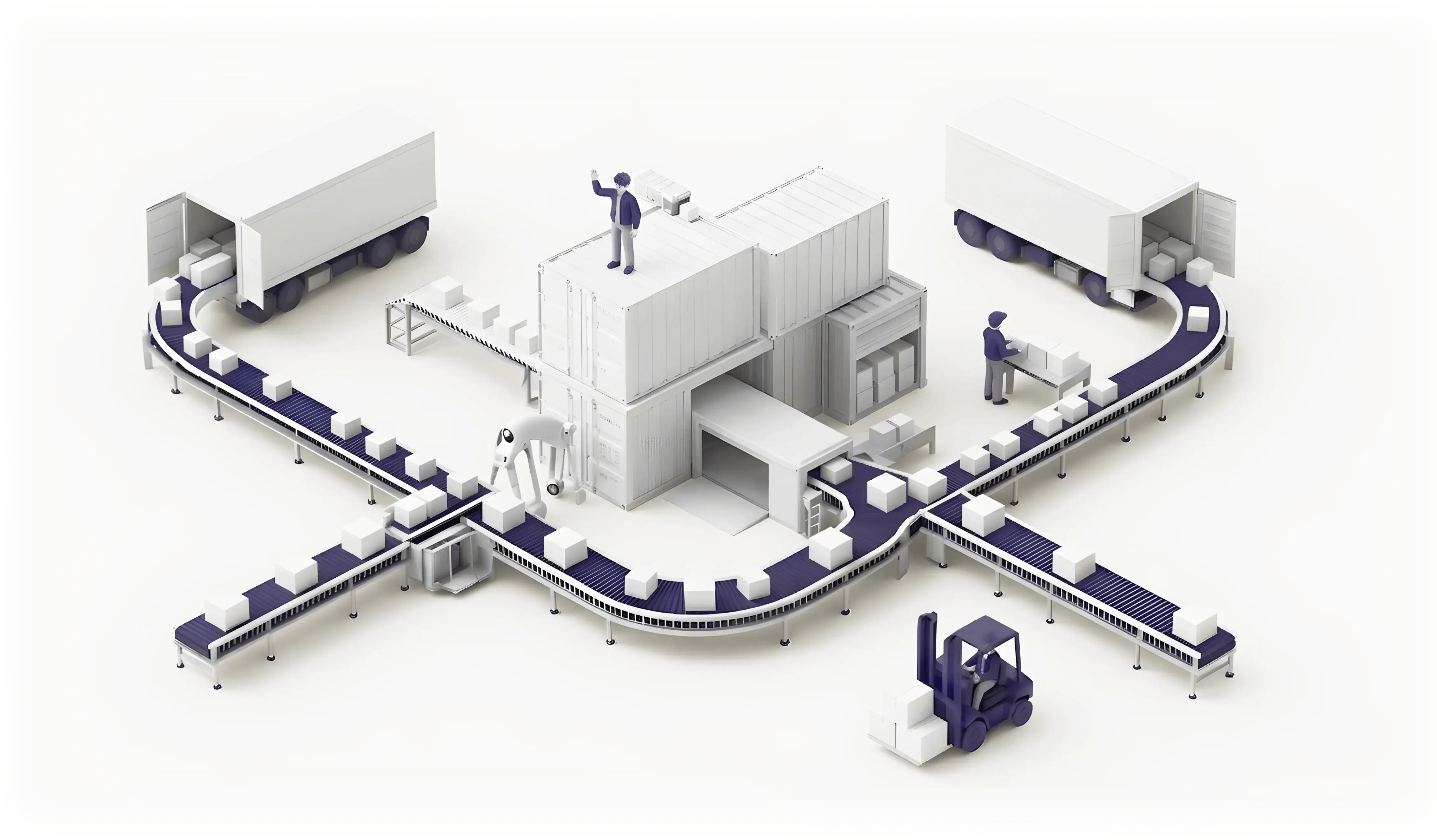
One platform instead of five tools
Most shipping setups are assembled: a rate tool here, a label printer there, tracking somewhere else and a spreadsheet holding it together. Mailhub does all of it in one place, on one login.
Every step of a shipment, handled
- Rates and labels - live discounted pricing, printed in bulk
- Tracking - a tracking number for every parcel, whichever carrier has it
- API and MCP - build it into your own systems, or let your AI agents run it

How the platform fits together
Connect once
Link your sales channels and carriers once. Everything downstream uses that same connection.
Compare and choose
Every carrier’s rate side by side on one screen, with the best option at the top.
Print and ship
Buy labels in bulk, up to 50 at a time, with every address checked when you buy.
How Mailhub compares
| Comparison criteria | Mailhub | An assembled stack | Subscription platforms |
|---|---|---|---|
| What you manage | One platform, one login | Three or four tools that do not talk | One platform, on a plan tier |
| Carriers | USPS, FedEx and DHL included | Whichever each tool supports | Several, depending on your plan |
| What it costs | Pay per shipment, no monthly fee | Several subscriptions | $15 to $30 a month, often with label limits |
Works with the ecommerce platforms and carriers you already use


Shipping Platform FAQs
A shipping platform connects your sales channels to carrier networks and handles everything between the order and the delivery: comparing rates, printing labels and tracking parcels. Mailhub does this across USPS, FedEx and DHL, with every carrier’s rate side by side before you buy.
No. Most businesses start with rate comparison and labels, then connect the API or their AI agents as they grow. Nothing needs configuring before you can ship, and no plan tier gates anything.
The platform itself is free. There is no monthly subscription, no setup fee and no minimum volume, and you pay per shipment at the discounted carrier rate. Businesses shipping at higher volumes can move to custom pricing.
Yes. Everything in the platform is available through the Mailhub Shipping API, and AI agents can connect over MCP. Teams often run both, with developers integrating checkout and warehouse staff working from the dashboard on the same account.